Fix and Flip Loans NY: Fast Bridge, Hard Money Guide
 By Lenard Nelson, VP of Lending7 min read
You need capital now to close fast and protect your margin. This guide compares bridge, hard money, and private capital for fix and flip loans NY so you can pick the fastest, most certain option and plan draws, fees, and exits.
You win a Queens flip with a 10 day close. Your bank wants tax returns and slow underwriting. You need capital now. The right loan choice can save your timeline and protect your margin.
Bridge, hard money, or private capital: what is the difference?
Bridge loans in NY are short term loans secured by real estate. They help you acquire fast, complete the rehab, then exit by sale or refinance. Underwriting focuses on the collateral and your exit plan.
Hard money loans NY are similar, but they are usually from established private lenders with clear draw systems, inspections, and set guidelines. You get structure, speed, and predictable funding.
Private capital for flips NY comes from individuals or small funds. Terms can be flexible and fast. Documentation can be light. Certainty can vary a lot by relationship and lender experience. To compare hard money vs private money lenders, start with speed and reliability.
Speed and certainty for New York timelines
New York deals move fast. Sellers want proof of funds, quick appraisals, and short inspections. Your lender must keep up with contract deadlines and municipal quirks.
- Hard money: credit precheck in 24 to 48 hours. Closings often in 5 to 10 business days with clean title and access for appraisal.
- Bridge loans NY: similar timelines. Institutional bridge capital can close in 7 to 15 business days. Complex titles or tenant issues can add a few days.
- Private capital: docs can be simple. You may close in 1 to 3 days if title is clear and the lender knows you. Risk of last minute changes is higher.
Draw timing matters too. Many lenders fund rehab draws in 3 to 5 business days after inspection. The faster the draw, the faster your crews finish.
New York fix and flip financing costs
Your job is to protect spread. Count every dollar that touches the loan. That includes points, underwriting and legal fees, appraisal, interest, and draw or inspection fees.
- Hard money loans NY: expect 1 to 3 points at close. Underwriting and legal fees often range from $1,000 to $2,500. Appraisals for 1 to 4 units can run $600 to $1,000 in the city. Some lenders charge $125 to $250 per draw inspection.
- Bridge loans: pricing can match hard money if leverage is similar. Larger balance loans may see lower points but higher legal costs. Rates depend on your credit, experience, and the deal.
- Private capital: points and fees vary widely. You may pay 0 to 3 points. Legal depends on the lender’s counsel. Always get terms in writing.
Plan interest carry with a realistic timeline. If your scope takes 10 weeks, pad to 14. Holding 2 extra draws and 30 extra days can save your profit when inspectors or permits slow you down.
Fix and flip loan requirements NY
Most lenders keep paperwork focused on the property and sponsor. No income documents are typical for business-purpose loans. That means no W-2s or tax returns. For a deeper overview, see our guide to no-doc investment loans.
- Entity: loans go to an LLC or business entity. No owner-occupied homes.
- Credit: borrowers typically need a 620 to 660 FICO minimum for top leverage.
- Leverage: purchase financing up to 85 to 90 percent Loan to Purchase, or LTP, with 100 percent of rehab in draws. Experienced operators get the top tier.
- Budget and comps: a line item scope, defendable ARV, and recent sales within 0.5 to 1.0 miles.
- Reserves: 3 to 6 months of interest and rehab reserves are common.
- Insurance and contractor docs: COI with lender as mortgagee. W-9, license when required, and a signed contract.
At Diplomat Property Loans, many New York flippers may qualify for fix and flip loans NY up to $3,000,000 with up to 90 percent LTP and 100 percent of rehab funded in draws. A 620 FICO minimum is typical. Terms depend on your credit, experience, and the collateral.
Which capital fits each New York deal?
Light cosmetic flip with a short hold?
Hard money is often the best loan for fix and flip NY in this case. You get fast approval, predictable draws, and leverage up to 90 percent LTP. That keeps cash to close low and protects ROI.
Heavy rehab with permits and longer hold?
A bridge loan works well when you need more months and larger budgets. Institutional bridge programs handle higher dollar draws and multiple inspections. Build a 10 to 20 percent contingency into your budget to avoid cash crunches.
Auction, assignment, or a seller who wants 5 day closing?
Private capital can win with speed. If your lender relationship is solid, you can fund quickly, then refinance into a staged hard money or bridge loan after close. Confirm seasoning rules and prepayment penalties before you execute.
Plan B to hold as a rental if the sale market slows?
Structure your exit around DSCR, or Debt Service Coverage Ratio. DSCR is rent divided by the monthly loan payment. If market rent supports a refinance at up to 80 percent LTV with a 30 year fixed option, a DSCR takeout gives you safety. Learn how investors scale with DSCR in our post on BRRRR with DSCR loans.
Decision rules to pick bridge vs hard money loans
- Timeline: under 10 business days to close. Use hard money or trusted private capital. Over 10 days with permit risk. Consider bridge.
- Leverage: need up to 90 percent LTP and 100 percent rehab. Hard money excels. Lower leverage ok with lower fees. Bridge or private can fit.
- Scope: simple cosmetics and quick turns fit hard money. Gut rehabs with structural work fit bridge.
- Property type: most lenders like 1 to 4 unit, condos, and townhomes. Co-ops are case by case and often excluded. Mixed use is possible with experience.
- Exit: clear sale plan with 3 comps within 90 days. Or a DSCR refinance lined up at up to 80 percent LTV.
When in doubt, map your schedule. Count days for appraisal, title, access, and DOB items. Then pick the program with the most certainty, not just the lowest points. That choice usually wins net profit in New York.
How to keep funding smooth from contract to close
- Order appraisal day one. Aim for access within 48 hours. Ask for a rush.
- Deliver a tight budget. Use unit prices and a 10 percent contingency. That speeds underwriting.
- Lock contractor docs early. COI, W-9, license, and signed scope by day three.
- Clear title fast. Resolve open permits, violations, and liens by day five.
- Plan draws. Set 3 to 5 milestones with materials on site before inspections.
Want a step by step closing playbook that works in any state. See our guide on closing your first flip in 7 to 10 days.
Frequently Asked Questions
Which is cheaper in New York, bridge or hard money?
Closing costs are close when leverage matches. Hard money often charges 1 to 3 points and $1,000 to $2,500 in lender and legal fees. Bridge loans can price similarly, though larger balances may trade slightly lower points with higher legal. Your credit, experience, and ARV drive pricing.
How fast can I close a fix and flip loan in NY?
Many clean files close in 5 to 10 business days. You can get a soft approval in 24 to 48 hours, appraisal in 3 to 5 days, and docs out after clear title. Private money can fund faster if title is ready. Complex titles or tenant matters may add 3 to 7 days.
What credit score and experience do I need?
Borrowers typically need a 620 to 660 FICO minimum. First time flippers may see leverage around 80 to 85 percent LTP. Experienced operators can reach up to 90 percent LTP with 100 percent of rehab funded in draws. Bring two recent project summaries to show experience.
What properties are eligible for business-purpose loans?
Most programs fund 1 to 4 unit homes, townhomes, and condos. Co-ops are often excluded. Mixed use and small multifamily can qualify case by case. No owner-occupied homes are eligible.
What documents do lenders require if there are no income docs?
Expect entity documents, a purchase contract, a detailed rehab budget, and comps. You also need a government ID, proof of cash to close, insurance, and contractor documents. Bank statements show funds for down payment, closing costs, and reserves. No tax returns, W-2s, or paystubs are needed for business-purpose loans.
How do rehab draws work in New York?
Rehab funds release after an inspection confirms completed work. Many lenders approve within 24 to 72 hours and wire in 3 to 5 business days. Plan 3 to 5 draw milestones, plus a 10 percent holdback until punch list is done. Keep materials on site to speed inspections.
Can I switch lenders after I close with private money?
Yes, many investors refinance from private to hard money or bridge within 30 to 60 days. Watch for prepayment penalties and seasoning rules. Some lenders require 30 days of title seasoning or 10 percent work completion before a refinance. Budget an extra 1 to 2 points for the takeout.
What if my exit shifts to a rental?
Check DSCR early. DSCR is rent divided by the monthly loan payment. If projected rent supports 1.10 or higher and you have 660 plus FICO, a DSCR refinance up to 80 percent LTV may be possible on a 30 year fixed. Run numbers with a lender and a CPA to confirm.
If you want to talk through your specific deal, our team can review your scenario and tell you what fits. Reach out to Diplomat Property Loans to start the conversation.
About the author
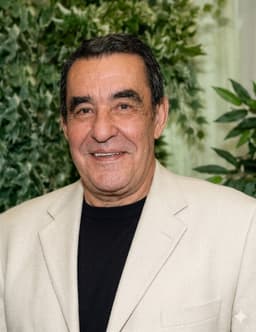
Lenard Nelson
VP of Lending, Diplomat Property Loans
Lenard Nelson is VP of Lending at Diplomat Property Loans, where he leads originations across fix & flip, ground-up construction, and DSCR rental programs nationwide. With 40 years of real estate lending experience, Lenard has helped fund over $500 million in investment property loans for active real estate investors. He focuses exclusively on business-purpose lending: no owner-occupied, no consumer mortgages, no tax returns required.
Talk to Lenard about your deal →