No-Doc Investment Loans: Fast Funding for Investors
 By Lenard Nelson, VP of Lending7 min read
You move fast and need funding that keeps up. No-doc investment loans let self-employed investors skip tax returns and close quickly, focusing approval on the property, experience, and exit plan. Read on for practical qualification rules, packaging checklists, and typical terms.
You make money by moving fast. Banks ask for W-2s, tax returns, and weeks of review. Your deal cannot wait. No-doc investment loans let self-employed investors close without handing over their entire life.
What are no-doc investment loans?
No-doc loans for investors cut personal income paperwork. You skip tax returns, W-2s, and paystubs. Underwriting focuses on the property, your experience, and your exit plan. These are business-purpose no-doc loans for non-owner-occupied properties only.
Common options include fix and flip, ground-up construction, and DSCR rental loans. DSCR means Debt Service Coverage Ratio. It equals rent divided by the loan payment. LTP means Loan to Purchase. It is the percent of the purchase price the lender funds. ARV means After Repair Value. It is the value after rehab is complete.
If you want a deeper dive on skipping tax returns, see our guide to fix and flip financing without tax returns.
Who qualifies and what replaces income docs
You still need to show the deal makes sense. Lenders replace income docs with clear proof that the asset and plan work.
- Credit: Borrowers typically need a 620+ FICO for flips and construction. DSCR rental loans often start at 660.
- Experience: Prior flips, rentals, or GC history help. Two or more recent exits can boost leverage and speed.
- Leverage: Purchase funding can reach up to 90 percent LTP. Rehab budgets can be covered up to 100 percent with a solid scope.
- Valuation: ARV must be supported by comps. Expect a desktop or full appraisal.
- Reserves: 3 to 6 months of payments in liquid funds is common. Bank statements usually work.
- For rentals: A DSCR of 1.10 to 1.25 often clears approval. Higher DSCR can allow up to 80 percent LTV.
- Entity and guarantor: Close in an LLC with a personal guaranty. Bring your EIN, operating agreement, and ID.
- Geography: Business-purpose only. Not available in VT, UT, OR, SD, or ND at this time.
Typical terms you may see
Terms vary by credit, experience, and the deal. Here is what active investors often see with private lender no-doc loans.
- Fix and flip: Up to $3,000,000. Up to 90 percent LTP. Up to 100 percent of rehab. Minimum 620 FICO. Interest-only during the term. Draws paid after inspections.
- Ground-up construction: Up to $3,000,000. Up to 85 percent LTC. Up to 100 percent of construction costs. Minimum 620 FICO. Funds released in staged draws.
- No-documentation rental property loans using DSCR: Up to $2,000,000. Up to 80 percent LTV. 30-year fixed options available. Minimum 660 FICO. DSCR tested using lease or market rents.
Rates depend on your credit, experience, and the deal. Faster timelines and higher leverage can increase cost. Many fix and flip closings finish in 5 to 10 business days when your file is clean. DSCR loans often take 2 to 4 weeks because of appraisals and title work.
Workarounds that help self-employed borrowers
You do not need tax returns to qualify. You do need a lender-ready package. Here is what moves deals to yes.
- Show strong comps: Three to five sales within 0.5 miles and 6 months. Match bed, bath, and style.
- Present a tight scope and budget: Line items, labor and materials, and a 10 to 15 percent contingency. Use a repeatable template. Our construction budget guide can help.
- Prove contractor capacity: License, insurance, W-9, and a recent project list. Add a timeline in weeks.
- Document experience: HUDs or ALTA statements from two recent exits. Photos before and after help.
- Explain your exit: Sell, refinance to DSCR, or BRRRR timeline. Include two paths if the market shifts.
- Show liquid funds: Bank statements that cover down payment, closing costs, and reserves.
- For rentals: Support DSCR with a lease, rent roll, or a third-party rent schedule.
Want a state-specific example of speed and packaging. See how no-doc fix and flip loans in California close fast when your ARV and budget are tight.
How to present a deal that wins approval
Use this simple checklist to remove questions before they appear. Cleaner files win speed and leverage on hard money loans for self-employed investors.
- Purchase contract and title order on day one. Ask for a 10-business-day diligence window.
- Scope of work with costs by trade. Add a 10 to 15 percent contingency line.
- Three to five comps with photos. Include MLS printouts and your ARV math.
- GC docs: license, insurance, W-9, and signed contract tied to a draw schedule.
- Timeline by week. Note demo, rough-in, inspections, finishes, and punch.
- Exit plan A and B. Sell fast or refinance into DSCR loans for self-employed investors.
- Proof of funds. Bank statements for down payment, closing costs, and 3 to 6 months of payments.
For BRRRR deals, add your refinance plan. Target 70 to 75 percent ARV after repairs. Show that rent supports a DSCR of at least 1.10. You can also improve DSCR by lowering leverage a few points.
Common underwriting workarounds
No income verification loans for investors still solve risk checks. Use these swaps when a file is tight.
- Lower leverage to boost DSCR: Dropping LTV from 80 percent to 75 percent can move DSCR from 1.05 to 1.15.
- Bring an experienced GC: First-time builders can qualify by pairing with a licensed GC who has 5+ recent builds.
- Add reserves: Showing 6 months of payments instead of 3 can offset thin credit.
- Phase the rehab: Split a large project into two draw groups. This can speed inspections and cash flow.
- Appraisal rebuttal: If ARV misses by 5 to 10 percent, submit better comps with notes on condition and adjustments.
If you build in Washington or California, our fast-closing playbooks can help you prepare draws and inspections. Start with this practical walkthrough on no-doc fix and flip loans in Washington.
When to use each loan type
Match the loan to your exit timeline and cash needs. Stated income loans for investors shine when the deal is strong and speed matters.
- Fix and flip: Short term holds under 12 months. Use high LTP and 100 percent rehab to keep cash free.
- Ground-up construction: Infill lots or teardowns with clear plans. Target up to 85 percent LTC with staged draws.
- DSCR rental: Long-term holds with stabilized rent. Use 30-year fixed options up to 80 percent LTV.
- Bridge to DSCR: Buy with flip capital, finish light rehab in 60 to 90 days, then refinance to DSCR at 75 to 80 percent LTV.
Frequently Asked Questions
What counts as no-doc for investors?
No-doc means you skip tax returns, W-2s, and paystubs. You still provide ID, entity docs, and bank statements for reserves. Property docs carry most weight, like comps, scope, and appraisal. For rentals, a DSCR of 1.10 to 1.25 often replaces income verification.
What credit score do I need to qualify?
Borrowers typically need a 620+ FICO for fix and flip or construction. DSCR rental loans often start at 660. Better credit can increase leverage up to 90 percent LTP or 80 percent LTV. Thin credit may be offset by larger reserves, like 6 months of payments.
How fast can no-doc loans close?
Well-packed fix and flip files often close in 5 to 10 business days. Ground-up deals usually take 10 to 15 business days because of plan reviews. DSCR rentals take about 2 to 4 weeks due to appraisals and title work. Draw inspections typically fund in 3 to 5 business days after approval.
How much cash do I need to bring?
If your loan covers up to 90 percent LTP, plan for 10 percent down. Add 2 to 4 percent for closing costs. Budget a 10 to 15 percent rehab contingency as cash or room in your line. Many lenders also want 3 to 6 months of payment reserves.
Can I BRRRR with business-purpose no-doc loans?
Yes. Buy with a flip or bridge loan, then refinance into DSCR at 75 to 80 percent LTV. Target a DSCR of 1.10 or better to clear underwriting. Many BRRRR timelines run 90 to 180 days from close to refi, depending on rehab and lease-up.
Which properties are eligible?
Most programs focus on 1 to 4 unit homes, condos, and townhomes. Some lenders also finance small multifamily or mixed-use with strong rent and location. All are investment properties only. Loans are not available in VT, UT, OR, SD, or ND.
Are rates higher on no-doc loans?
Programs offer competitive rates based on credit, experience, and leverage. Higher leverage or a DSCR near 1.00 can raise cost or lower LTV. Strong files with 660+ FICO, 6 months of reserves, and 1.25 DSCR often see better pricing. Always weigh rate against speed and cash preserved.
What documents should I have ready on day one?
Bring your LLC docs, ID, and bank statements. Add the purchase contract, title order, scope and budget, and three to five comps. For rentals, include a lease or rent schedule and insurance quote. For construction, attach plans, a GC agreement, and a draw schedule.
Final tips to qualify faster
- Lead with numbers: ARV comps, DSCR math, and a clear draw plan.
- Underwrite your exit: Two viable exits reduce risk and improve terms.
- Tighten your team: Use a licensed GC and a responsive title company.
- Communicate early: Flag permits, wells, septic, or condo HOAs on day one.
- Stay within scope: Avoid change orders that add 10 percent or more mid-project.
If you want to talk through your specific deal, our team can review your scenario and tell you what fits. Reach out to Diplomat Property Loans to start the conversation.
About the author
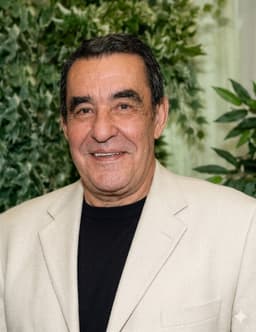
Lenard Nelson
VP of Lending, Diplomat Property Loans
Lenard Nelson is VP of Lending at Diplomat Property Loans, where he leads originations across fix & flip, ground-up construction, and DSCR rental programs nationwide. With 40 years of real estate lending experience, Lenard has helped fund over $500 million in investment property loans for active real estate investors. He focuses exclusively on business-purpose lending: no owner-occupied, no consumer mortgages, no tax returns required.
Talk to Lenard about your deal →