Fix and Flip Loans Alaska: Close in 5 to 15 Days for Investors
 By Lenard Nelson, VP of Lending5 min read
You can close a fix and flip loan in Alaska in as few as 5 to 15 business days when your file is lender-ready. We walk you through lender requirements, packaging a clean rehab budget, draws, and choosing the right capital so you close fast and protect profit.
You can close a fix and flip loan in Alaska in as few as 5 to 15 business days when your file is lender-ready. Many investors in Anchorage and beyond beat conventional bank timelines by using hard money or bridge lenders that underwrite the property, the plan, and the exit instead of tax returns.
How fast will a fix and flip loan Alaska close?
Expect close times of 5 to 15 business days for private or hard money deals, and 21 to 45 days for slower bridge or bank options. If you package a clean purchase contract, a line-item rehab budget, comps that support your ARV, and contractor bids, lenders can move in less than two weeks. ARV means After Repair Value, the projected value after rehab. For Anchorage hard money loans, local appraisals and comps shorten underwriting.
What do Alaska hard money lenders require?
Lenders typically need clear collateral, a defendable ARV, experience or higher equity, and basic borrower credit. Common fix and flip loan requirements Alaska include:
- Minimum FICO scores around 620 for flips, 660 for DSCR rental conversions.
- LTP, or Loan to Purchase, up to 90 percent on purchase in some programs.
- Rehab funding up to 100 percent of documented rehab costs on certain loans.
- Loan caps commonly up to $2 million to $3 million depending on lender and property.
- No income documentation required on many investor products, but loans must be business-purpose only.
If you fall below credit minimums, lenders compensate with higher down payment, lower LTP, or more experience on file.
How much will a short-term rehab loan Anchorage cost?
Hard money loan rates Alaska vary by credit, experience, and the deal, so expect competitive rates based on those factors rather than a fixed quote. You should plan for origination or upfront fees in the 2 to 4 point range, prepaid interest covering 3 to 12 months, and inspection or draw fees per disbursement. Those numbers, plus holding costs, should be modeled against your ARV and sale timeline to protect profit.
How to package a lender-ready file for fix and flip financing Alaska
A lender-ready file gets you a yes faster. Include a clear purchase contract, a detailed rehab budget, contractor bids, comps, and a photo-ready exit plan.
- Rehab budget: line-item scope with unit costs and contingency, typically 10 to 15 percent.
- Comps: 3 to 6 nearby sales to support your ARV estimate.
- Contractor packet: license, insurance, timeline, and milestones for draws.
- Proof of funds: show ability to cover initial closing costs or reserves, often 5 to 10 percent of purchase.
- No-doc documentation: many Alaska lenders accept files without W2s or tax returns; see our guide to no-doc investment loans.
When you present those items, underwriters focus on the numbers: purchase price, ARV, rehab cost, and exit. That is why lenders can close fast when the math checks out.
How should you structure draws and inspections on an Alaska rehab loan?
Draws are typically tied to completed milestones and photo-backed inspections, and they usually occur every 2 to 4 weeks. Common draw schedules use 2 to 6 draws depending on project size, with lenders holding a 5 to 10 percent retention until final sign off. Many fix and flip programs will fund up to 100 percent of rehab costs when invoices and inspections support each draw.
- Small rehab: 2 to 3 draws, faster inspections, final retention release at sale.
- Medium rehab: 3 to 5 draws, trades inspected, progress photos required.
- Large rehab: 5 to 8 draws, lien waivers and contractor invoices mandatory.
Should you pick Anchorage hard money loans or private capital for your flip?
Hard money lenders usually close faster and offer standardized rehab draws, while private capital can be more flexible on pricing and holdbacks. Typical tradeoffs include:
- Speed. Hard money can close in 5 to 15 business days when your file is ready.
- Leverage. Some hard money loans offer up to 90 percent LTP and 100 percent rehab funding.
- Cost. Private capital may charge different fee structures and points but can negotiate unique terms.
Read a comparison of capital sources to choose the right fit for your timeline and margin in our guide to hard money versus private money for flips. If you need a straight speed play, see how to close in days in our post on closing your first flip in 7 to 10 days.
Frequently Asked Questions
What credit score do I need for a fix and flip in Alaska?
Most fix and flip lenders require a 620 minimum FICO for flips. Borrowers with 620 or higher often access loans with high LTP, while those with lower scores usually need more equity or experience, or face lower LTP such as 65 to 75 percent. DSCR rental conversions typically expect around 660 FICO.
Can I get a loan that covers the full rehab cost?
Yes, some programs will fund up to 100 percent of documented rehab costs when you provide contractor bids and staged invoices. Lenders still underwrite the total project using purchase price, ARV, and LTP; typical purchase leverage runs up to 70 to 90 percent depending on the lender and property.
How long do draws take in Anchorage?
Draw approvals usually take 24 to 72 hours after inspection photos and invoices arrive. Expect draws every 2 to 4 weeks, or per agreed milestones, with final retention released at completion after final inspection and lien waivers.
Do Alaska hard money lenders require tax returns or paystubs?
Many Alaska hard money lenders do not require tax returns, W2s, or paystubs for business-purpose investor loans. Instead they underwrite the property, your rehab plan, ARV, and experience, and typical credit minimums are 620 for flips and 660 for some rental products.
What costs should I budget beyond the loan rate?
Budget origination fees of 2 to 4 points, prepaid interest for 3 to 12 months, lender inspection fees at each draw, and a contingency of 10 to 15 percent in the rehab budget. Add holding costs such as taxes, utilities, and insurance, usually modeled as monthly carrying costs until sale.
Are there geographic limits for Alaska investment property rehab loan programs?
Most Alaska lenders cover major markets and many boroughs, but underwriting can vary by location due to comps and resale time. In Anchorage and close-in suburbs lenders typically accept comparable sales and standard draw inspections, while remote markets may require additional reserves, lower LTP, or longer timelines.
If you want to talk through your specific deal, our team can review your scenario and tell you what fits. Reach out to Diplomat Property Loans to start the conversation.
About the author
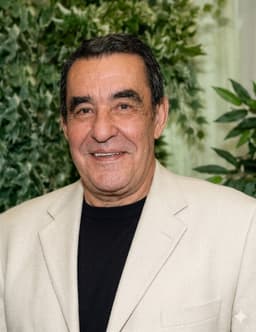
Lenard Nelson
VP of Lending, Diplomat Property Loans
Lenard Nelson is VP of Lending at Diplomat Property Loans, where he leads originations across fix & flip, ground-up construction, and DSCR rental programs nationwide. With 40 years of real estate lending experience, Lenard has helped fund over $500 million in investment property loans for active real estate investors. He focuses exclusively on business-purpose lending: no owner-occupied, no consumer mortgages, no tax returns required.
Talk to Lenard about your deal →