Hard Money vs Private Lenders in California: Close Faster
 By Lenard Nelson, VP of Lending7 min read
When you're flipping in California, choosing hard money or private capital can make or break your closing. This guide walks you through speed, costs, underwriting, and when each option wins so you can close on time and protect profit.
You lock up a San Diego flip on Monday. The seller wants a 10-day close. Your bank asks for tax returns and a slow appraisal. Deals like this die from funding delays. You need a clear plan between hard money and private capital.
Hard money vs private lenders in California: what is the real difference?
Hard money lenders in California are licensed businesses that lend to investors. They use asset-based underwriting. They look at purchase price, rehab scope, your experience, and exit. Private lenders in California are individuals or small groups. They lend their own cash, often relationship based.
Both fund investment deals only. No owner-occupied use. Most focus on fix and flip loans California investors use to buy, rehab, and resell. Underwriting leans on the collateral and the numbers. ARV means After Repair Value. That is the property value after rehab. LTP means Loan to Purchase. That is the percent of the purchase price the lender funds.
If bank income docs are blocking you, study fix and flip financing without tax returns. It shows what these lenders actually check and how to prepare fast.
Speed and certainty: who closes faster on CA flips?
Hard money lenders California investors use can close in 5 to 10 business days. You can often get a same-day proof of funds. Expect a term sheet in 24 to 48 hours. Appraisal or a fast valuation follows. Escrow and title clear to close within a week if your docs are ready.
Private lenders vary. A known private lender with cash in an IRA or trust can wire in 1 to 3 days. That speed is gold for auction or wholesaler deadlines. The risk: if the private lender hesitates, you can lose 3 to 7 days fast. Always confirm their liquidity and decision-maker upfront.
For heavy rehabs, fast draw releases matter as much as closing speed. Many hard money programs inspect within 24 to 72 hours and wire draws twice per week. A private lender might fund draws same day, or not at all, depending on your agreement. Put draw timelines in writing.
Rates, points, and total cost in California
Hard money rates California investors see depend on your credit, experience, and the deal. Expect interest-only payments, plus points at closing. You will also see appraisal, doc, and inspection fees. Private money loans for investors California often carry fewer fees and lighter docs. Some charge no points but ask for profit participation.
Cost is more than the note rate. A 10-day funding delay can burn $200 to $500 per day in holding costs, crew minimums, and seller penalties. Missed seasonality can shave 1 to 3 percent off ARV. Build a simple hold-cost sheet for 90, 120, and 180 days. Compare each option’s total dollars out, not just the rate label.
Extension fees also matter. Many lenders charge 0.5 to 1 point per extension. If your project often needs an extra 30 to 60 days for permits, price that in at the start.
Underwriting and flexibility: who says yes to your plan?
Hard money uses clear boxes. Borrowers typically need a 620+ FICO for flips. You may qualify for up to 90 percent LTP and 100 percent of rehab costs on strong deals. Experience and clean title help. Larger loans, up to $3 million on flips, are available on urban California inventory with solid comps.
Private lenders are flexible. You might close with a 600 FICO if collateral is strong and leverage is low. They can ignore minor credit dings or past gaps. The tradeoff: terms change person to person. There is less standardization on draws, extensions, or rehab documentation.
Whatever route you pick, tight budgets win approvals. Use accurate rehab cost estimates with line items, contingencies, and labor splits. Your lender wants to see you control scope and margin.
Which is best by deal size, rehab scope, and exit?
- Light cosmetic flips under $100,000 rehab: Hard money shines. Standard draws, fast inspections, and clear takeout plans. Private works too if you already have a trusted lender and can close in days.
- Heavy rehab with permits or additions: Hard money with defined draw schedules is safer. You can match permit milestones to funding. Ask for up to 100 percent of construction costs with 85 to 90 percent total leverage, if the numbers support it.
- Luxury or unique properties: Private lenders may be more open when comps are thin. Keep leverage tighter, like 70 to 80 percent of purchase, to earn a yes.
- Rural or fringe markets: Hard money will want stronger comps and a lower LTP. A private lender who knows the micro-market can step in if you bring a conservative ARV and a fast exit plan.
- Very short holds under 60 days: Private can be cost-effective with low fees. If you need institutional certainty, hard money still works when the title and appraisal can clear in time.
Protect the back end too. If you might keep the property as a rental, a DSCR loan can take you out. DSCR means Debt Service Coverage Ratio. It is the rent divided by the loan payment. Lenders often want a DSCR of 1.0 to 1.2 or higher. See practical post-flip financing options before you buy.
How to choose for your next California flip
- Timeline: Do you need 48-hour funds or a 7-day close. Pick the path that matches the contract.
- Rehab scope: Over $150,000 or permit-heavy. Favor hard money with structured draws and inspections.
- Experience: First or second flip. Pre-apply with a lender that allows newer investors. Bring a clear scope and comps.
- Credit: Under 620 FICO. A private lender or a lower leverage hard money option may fit.
- Exit: Plan A sale within 120 days. Plan B DSCR refinance at up to 80 percent LTV with a 660+ FICO.
- Capital stack: Price points, fees, interest, appraisal, inspections, and extensions. Compare total dollars, not just headlines.
Document prep speeds everything. Have your LLC docs, purchase contract, insurance agent, preliminary budget, and comps ready on day one. Many lenders do not need tax returns, W-2s, or paystubs for business-purpose loans. That alone can shave 7 to 14 days from closing.
Frequently Asked Questions
How fast can a hard money loan close in California?
With full docs ready, 5 to 10 business days is common. Expect a term sheet within 24 to 48 hours, then appraisal or a desktop valuation. Title and escrow can close in 3 to 5 days once conditions clear. A private lender you already know can sometimes wire in 1 to 3 days.
What credit score do I need for hard money vs private lenders?
Hard money fix and flip programs often look for a 620+ FICO. Strong experience and lower leverage can offset a few points. Private lenders may fund at 600 or even below if equity is strong, like 70 percent LTP or less. Always show a tight ARV, scope, and exit.
How much of the purchase and rehab can I finance?
Many hard money options allow up to 90 percent LTP and 100 percent of rehab. Total leverage often caps around 65 to 75 percent of ARV after repairs. Loan sizes up to $3,000,000 are available on solid California markets. Private lenders vary widely, from 70 to 90 percent of purchase and case-by-case rehab draws.
Will a private lender be cheaper than a hard money lender?
Sometimes yes on points and fees, but not always on time. If a slower decision costs a 10-day delay at $300 per day, that is $3,000 gone. Add risk of price drops of 1 to 3 percent on a $700,000 ARV. That is $7,000 to $21,000. Total cost includes speed and certainty.
What documents will lenders ask for on a California flip?
Bring your purchase contract, rehab budget, scope of work, comps, LLC docs, ID, and insurance contact. Expect a title report and escrow instructions. Many business-purpose programs do not require tax returns, W-2s, or paystubs. Clear photos and a contractor bid speed underwriting.
Can I refinance to a DSCR rental loan after the flip?
Yes, if the property rents well and you qualify. DSCR means rent divided by loan payment. You may qualify for up to 80 percent LTV with a 660+ FICO and a DSCR at or above 1.0 to 1.2. A 30-year fixed option is available on many DSCR programs in California.
Bottom line: compare hard vs private loans in CA by your deal, not hype
Use hard money for predictable timelines, structured draws, and higher leverage when your numbers support it. Use private capital when you need a lightning close, lower fees, or a unique property case. Keep your ARV defensible and your LTP conservative, then price total cost through your 90 to 180 day hold.
If you want to talk through your specific deal, our team can review your scenario and tell you what fits. Reach out to Diplomat Property Loans to start the conversation.
About the author
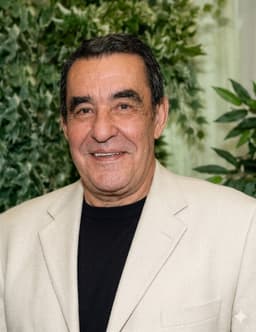
Lenard Nelson
VP of Lending, Diplomat Property Loans
Lenard Nelson is VP of Lending at Diplomat Property Loans, where he leads originations across fix & flip, ground-up construction, and DSCR rental programs nationwide. With 40 years of real estate lending experience, Lenard has helped fund over $500 million in investment property loans for active real estate investors. He focuses exclusively on business-purpose lending: no owner-occupied, no consumer mortgages, no tax returns required.
Talk to Lenard about your deal →